
From Local Rumor to Federal Case
Killers of the Flower MoonThis flow traces the institutional escalation from informal inquests and private detectives to a federal investigation that must overcome distrust and sabotage.
increasing Bearing strength in each event
 decreasing
Bearing strength in each eventdecreasingThe Inquest at the Ravine
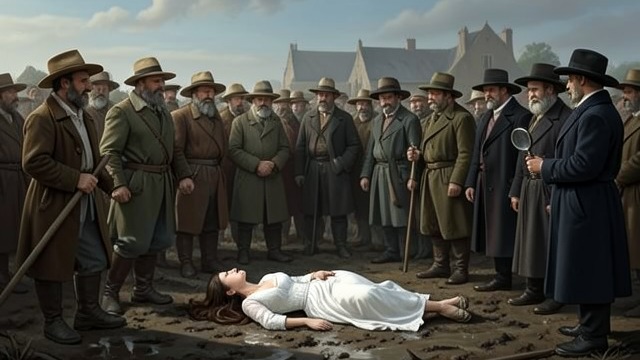
The Inquest at the Ravine
Citizens as Investigators
A local inquest determines that Anna Brown was murdered, but its jurors are selected from white men present at the scene. The doctors and lawmen lack reliable forensic procedures.
Evidence Lost Early
The bullet is not found, the scene is contaminated, and key evidence is never collected. The investigation begins with gaps that later agents cannot easily repair.
Private Eyes Enter
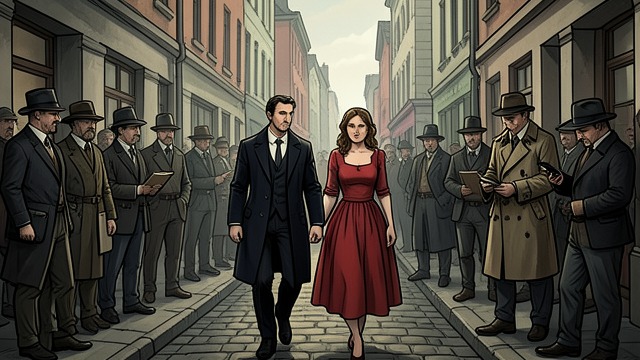
Private Eyes Enter
Outside Expertise
Families and guardians hire private detectives to investigate the murders. Operatives gather telephone records, follow suspects, and question witnesses who distrust local officials.
A Noisy Field
The detectives produce leads but also spread rumors, lose focus, and sometimes obstruct one another. The presence of multiple investigators creates more information without guaranteeing reliable proof.
The First Bureau Failures
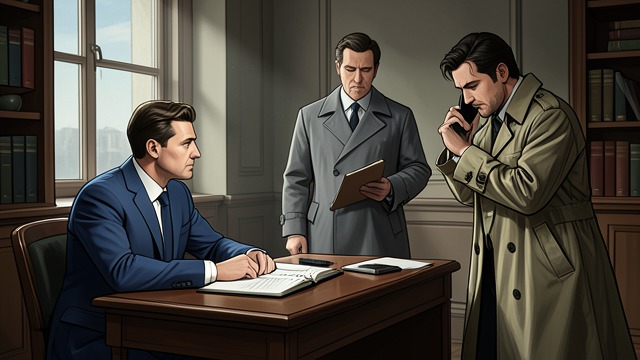
The First Bureau Failures
Federal Intervention Begins
The Bureau of Investigation sends agents after the Osage request federal help. Early efforts rely on informants and local contacts but fail to build a coherent, prosecutable case.
A Costly Mistake
The Bureau releases Irvin Thompson to work undercover, then loses control of him. His later crimes create a scandal that threatens the agency’s credibility.
White Rebuilds the Inquiry
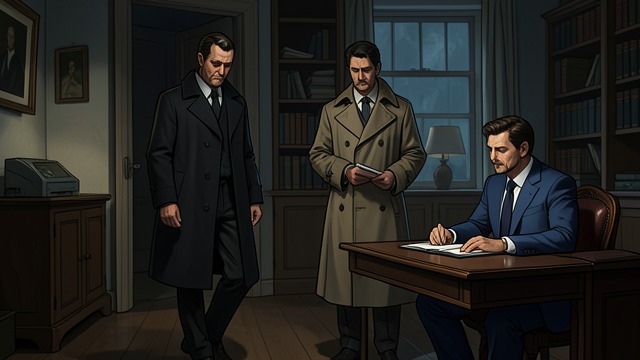
White Rebuilds the Inquiry
A New Structure
Thomas B. White reviews the old files and separates provable facts from hearsay. He uses undercover identities because witnesses fear being killed or exposed.
Corroboration Over Drama
The team rechecks alibis and tests informant stories rather than accepting convenient explanations. This method exposes manufactured evidence and identifies weaknesses in Bryan Burkhart’s account.
From Evidence to Verdict
From Evidence to Verdict
Confession and Testimony
Ernest Burkhart and John Ramsey provide direct accounts that connect Hale to major killings. Prosecutors use these statements alongside financial and insurance evidence.
Institutional Achievement and Myth
Convictions demonstrate the value of a sustained federal investigation. Hoover later presents the success as a clean origin story, leaving earlier Bureau failures and the broader death toll out of view.
Late May 1921
1921 to 1924
1923 to 1925
Summer 1925
1926
